Our courses
Basic course
The learning of the Caruso Method® techniques occurs in a specific order, because the more elementary ones are the indispensable foundation for the correct execution of the more complex ones.
The first objective to set in order to get to the heart of the technique is therefore mastery of the foundational techniques and basic techniques of the Method. These, contrary to what you might imagine, are the most difficult and the most important!
They are difficult somewhat like Eastern disciplines, where the point is not so much learning complex gestures, but deepening apparently very essential gestures aiming for an increasingly efficient and clean execution. The margins for progress are virtually infinite.
They are important because they are extremely general. Whether we climb easy or difficult grades, these movement patterns will still be the most advantageous for tackling the bulk of the route, and possibly only for a portion will it be worthwhile to apply more advanced and therefore specific techniques. It goes without saying that a small improvement on a pattern we use very frequently can have much more impact on our climbing than a great improvement on a very specific movement.
To effectively cover all the concepts that constitute this first part, approximately 6 lessons are necessary.
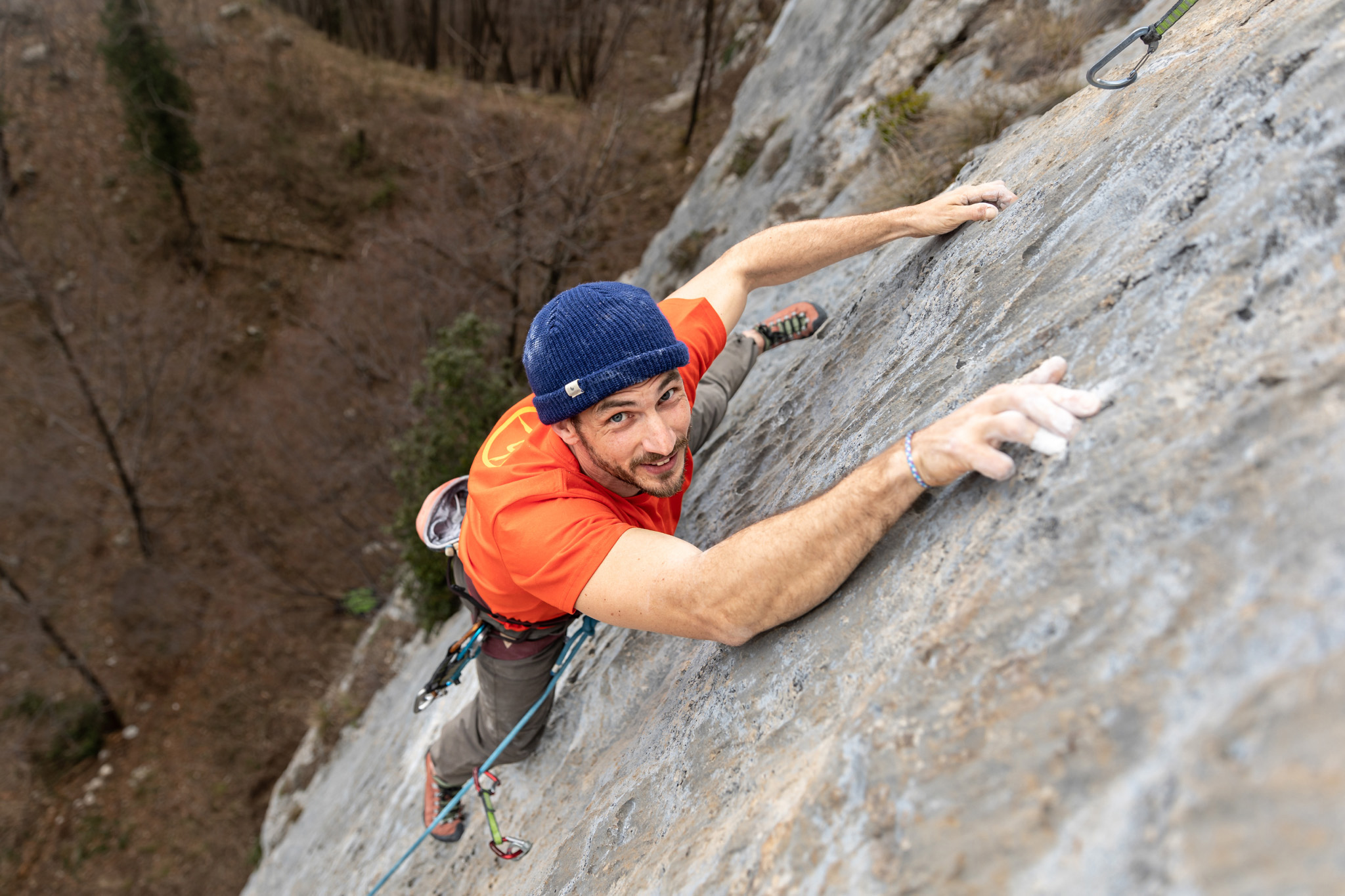
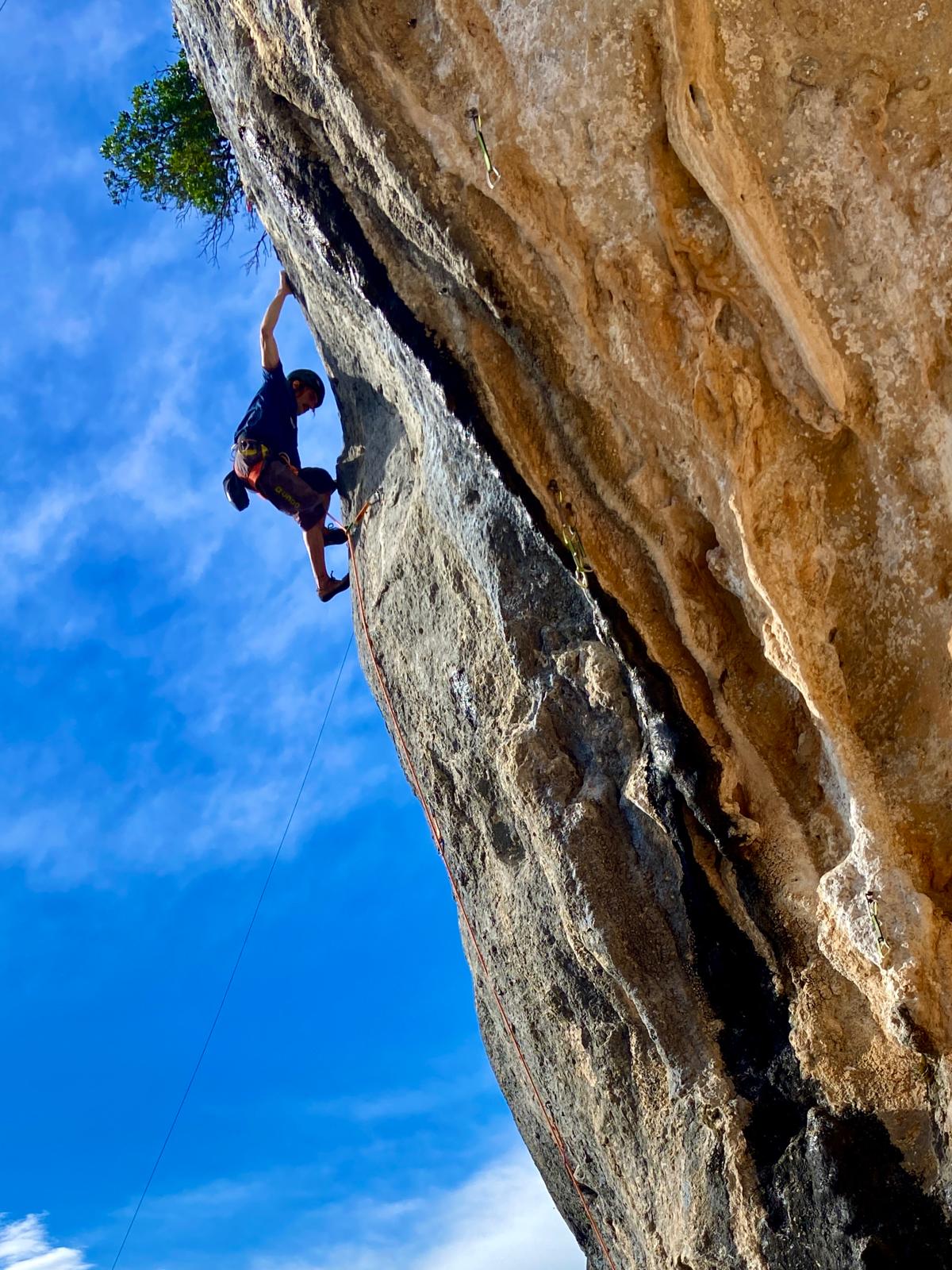
For optimal learning, however, these hours together should be complemented by at least as many (better more) of autonomous work on the insights seen during the lessons: together we will plant a seed but it will need to be adequately watered.
The more prepared you arrive at the lessons, the more efficiently we can proceed with the program; the more rusty you arrive, the more time will be necessary to spend reviewing the concepts from previous lessons.
For the basic content, which is the most important, we periodically organize a course divided into 3 modules of one weekend each, on fixed dates, in which we will determine the number of instructors based on the number of participants, ensuring an optimal ratio (one instructor for every 3-4 people) and the best quality/price ratio.
The modules can be purchased separately, and in the first module we will commit to giving you as complete an idea as possible of what will be covered in the course, so that you can decide whether it’s right for you or not with relatively little commitment.
The other option is to organize the lesson days one by one: we are available to arrange personalized lessons (for individuals, couples or groups) outside the scheduled weekends, even possibly during the week! Contact us and we will try to agree on a date according to the individual availability of the Instructors in the area.
Working on solid foundations is the true revolution, not only but especially for advanced climbers.
Going Further
Once you have seen the entire basic course program, you will have added to your toolkit, whether full or empty, some fundamental tools for moving on rock. The knowledge received will allow you to continue improving in these techniques by refining their finer aspects.
This addition will also open new possible paths for you to increase your technical mastery:
- Learning to choose among the tools you have, combining the contributions of theory and feeling: thus employing the most suitable technique for each move. Moving past the compartmentalized approach (necessary for learning individual techniques) and making your knowledge more organic;
- If you control the basic techniques sufficiently, learning the advanced techniques of the Caruso Method® can further increase the tools at your disposal;
We will be happy to accompany you in this part of your journey as well. At the moment we do not organize recurring courses beyond the three modules of the basic course, but we are available to organize personalized lessons on these topics. Contact us and we’ll see how to make it work!
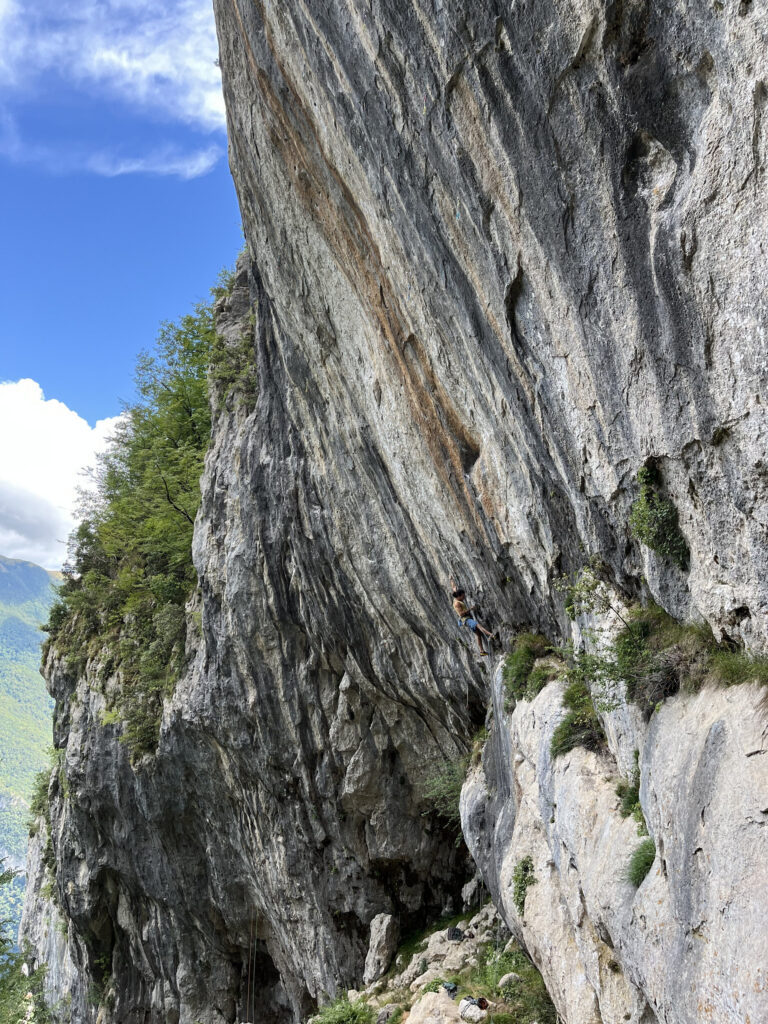
The concepts of the Caruso Method are transmitted well both on artificial structures and on rock. These two terrains, in addition to each having logistical pros and cons, tend to highlight different aspects of technique more prominently.
For our courses in general we favor rock, because it is unmatched for bringing into focus concepts (e.g. body positioning and smearing) that the majority of climbers born in the gym particularly need to clarify. In case the weather doesn’t allow it and postponing is not an option, or to address specific themes or requests, we can however use indoor facilities in the area.
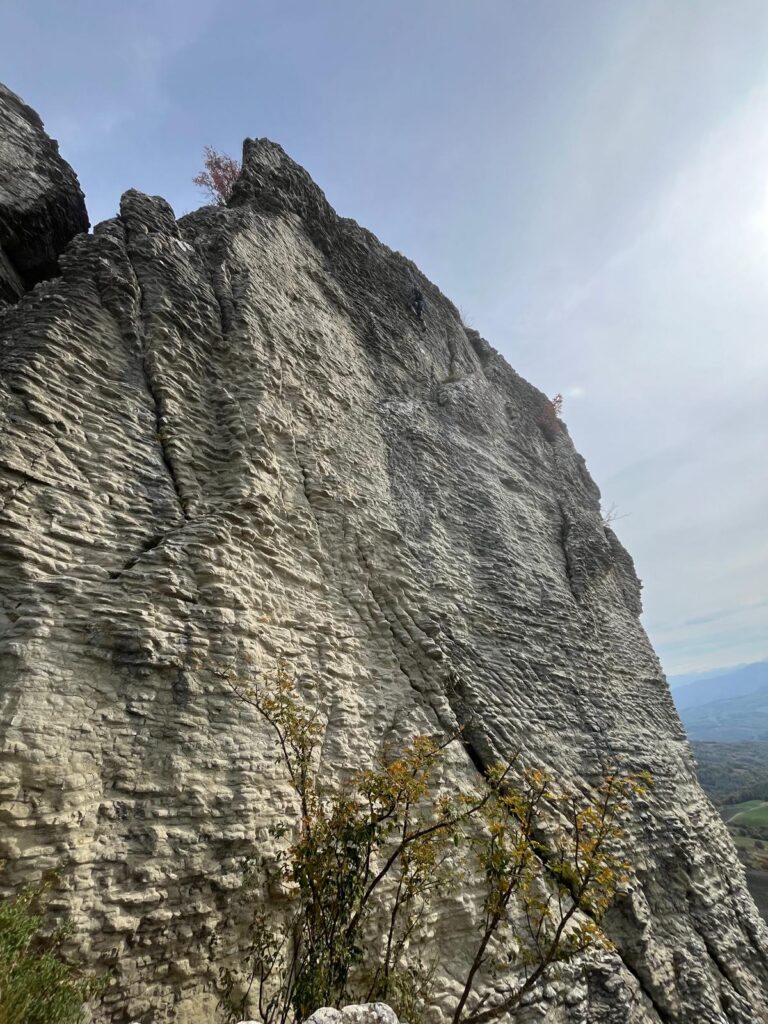
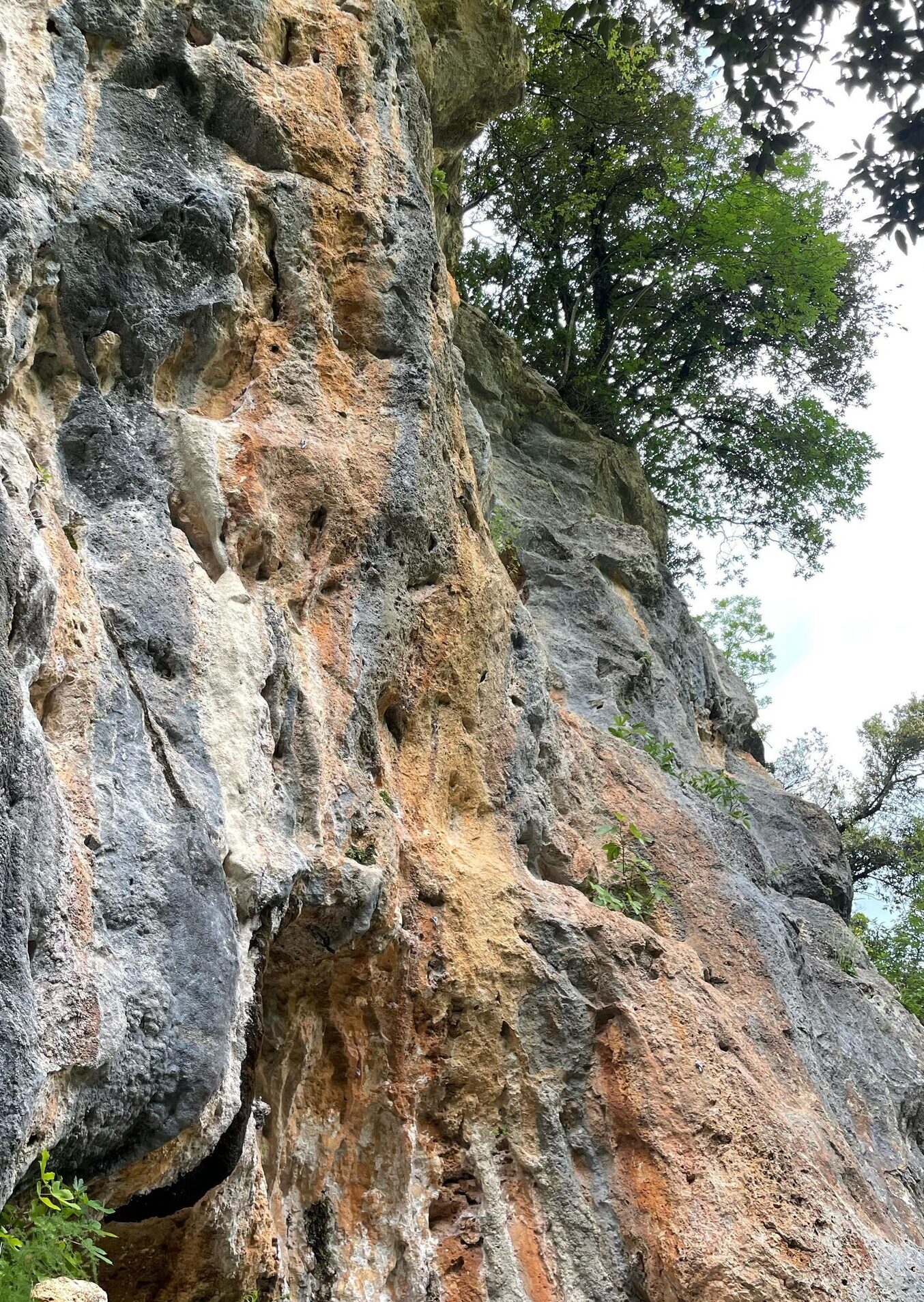
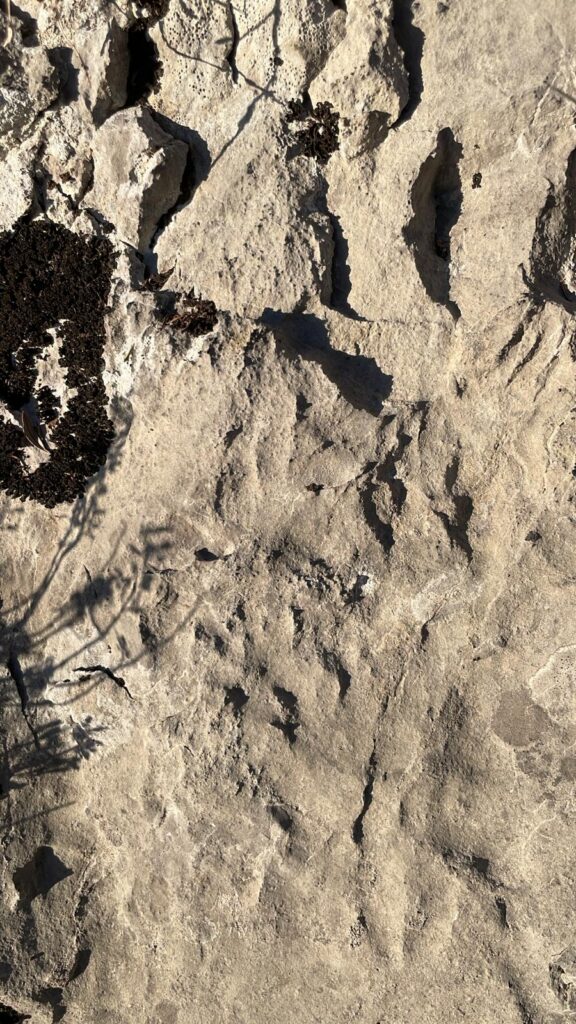
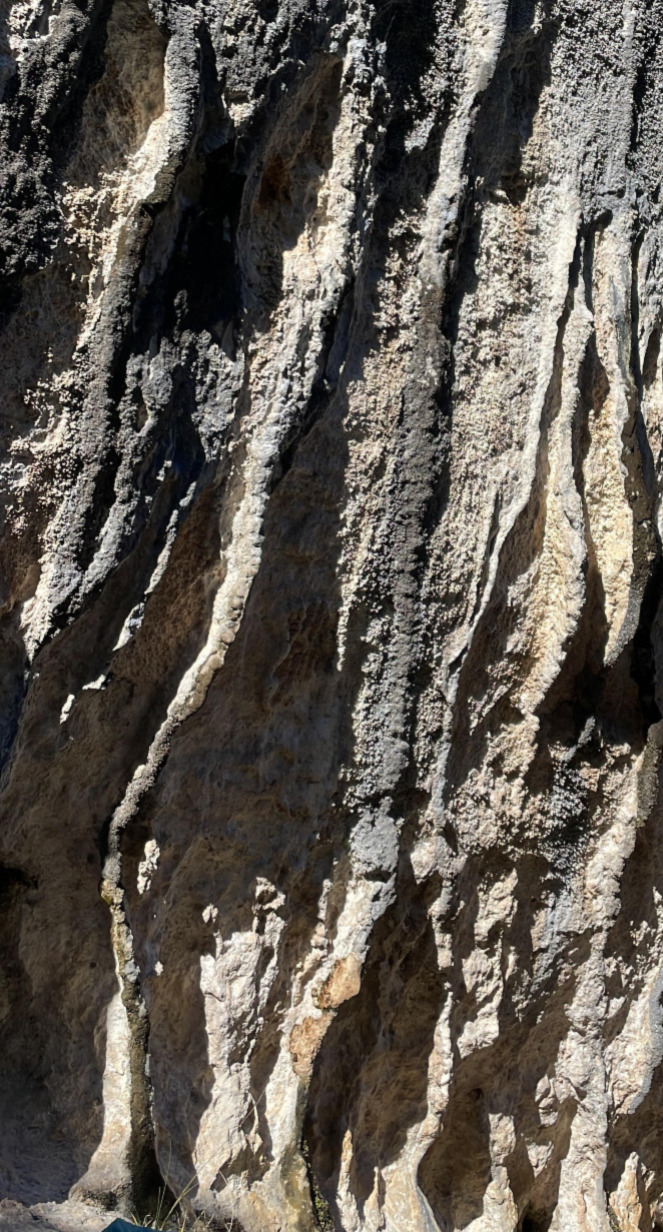
We are a climbing school straddling the Cerreto Pass, each of us calls a different crag home and our hearts are scattered between Camaiore and Bismantova, across the Apuan Alps and beyond the pass. The fine-grained sandstone of Pietra di Bismantova, the coarser one that can be found in other small gems scattered in the Reggio Emilia Apennines, the multiform limestone of Monzone – which from golden and generous becomes grey and austere in the blink of an eye – the lush tufas of the crags of Sant’Anna di Stazzema and Camaiore. This is our microcosm, which allows exploring diametrically opposite aspects of climbing within two hours’ drive. Discover it with us!
Emilia
| March 14-15 | Module A |
| April 11-12 | Module B |
| April 18-19 | Module A |
Toscana
| March 14-15 | Module A |
| April 11-12 | Module B |
| April 18-19 | Module A |
The fixed dates refer to the group courses currently open. For private/personalized lessons do not hesitate to contact us and we will reach an agreement!
The group lessons will be held in Italian, but real time translation in English will always be available as we all speak it fluently. On the other hand, if your language is Spanish or French, warn us and we’ll make sure that at least one of the instructors speaks your language!
Remember that to enroll in modules B or C it is essential to have attended the previous modules.
Open group lessons (weekend)
160 euro/student
300 euro/student
Module A, B or C
Modules A + B
Courses with groups of more than 4 people are our flagship product: by making more than one instructor available we manage both to have more eyes to better follow students in practice, and to avoid many downtimes related to preparing the terrain for exercises (dividing ourselves, during explanations, between front and behind the scenes). The effect is a more engaging and interactive teaching rhythm, where there is no pause between explanation and execution, and greater attention and richness of feedback during the execution of exercises.
Furthermore, the variety of levels and backgrounds of students who enroll in the modules always brings many different points of view, to everyone’s benefit!
Custom lessons
120 euro/instructor
200 euro/instructor
Half day (min. 4h)
Full day (min. 8h)
If you prefer to take the course alone or with your friends, or full weekends don’t fit your schedule or you even prefer weekdays, we can arrange a personalized lesson.
These are the rates (at the minimums set by IAMAS) for a day’s service from an instructor: if you form a group, plan for at least one instructor for every 3-4 students and consider that the instructor/student ratio has an effect on the quality of the product!
FAQs
Profession practiced pursuant to Law 4/2013 (G.U. n.22 of 26-1-2013)
Liability Insurance: Italiana Assicurazioni 2026/07/6317597
© 2024-2026 Passo Chiave · All Rights Reserved · developed with ♥ by PC